
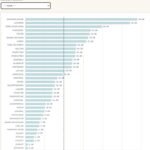
The geography of women’s paid work in Punjab tells an uncomfortable story
June 23, 2026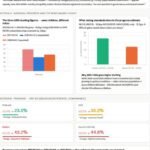
Pakistan’s young men aren’t the generational break you’d expect: 73.6% of Punjabi men aged 15-24 believe men make better political leaders than women, nearly matching the 77.1% among men 55 and older.
Belief that men make better political leaders than women remains the majority view across Punjab, at 75.3% (n=4,905).
The pattern that stands out: this belief doesn’t fade with privilege, it inverts at the top. Education shows the clearest gradient, dropping from 81.5% among those with no education to 60.3% among those with Higher (Intermediate+) education, a 21-point spread. Wealth tells a similar story: 78.3% among the lowest quintile versus just 62.8% among the highest, with a dip and partial rebound in between.
Geography and age show milder but consistent patterns. Rural areas sit highest at 77.6%, Other Urban lowest at 67.9%, with Major Cities in between at 73.8%. Age is the flattest cut of all, holding in a tight 73.6%-77.1% band regardless of cohort, suggesting this view isn’t generational so much as structural.
The takeaway: access to education and economic security appears far more predictive of attitudes toward women in leadership than age or even urbanity. Two decades of generational turnover haven’t moved this number much, but the classroom and the income ladder have.
What’s driving the resilience of this belief even among younger cohorts?