
Gallup Pakistan Digital Analytics we have combined various data sets to create a story of two to three decades of national and provincial development
October 1, 2026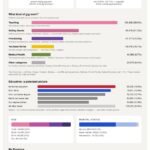
💼 Pakistan’s 2.36 Million Gig Workers Are Earning an Estimated $6.6 Billion a Year — Here’s Exactly What They Do
We at Gallup Pakistan Digital Analytics mapped Pakistan’s full gig/platform workforce using Labour Force Survey 2024-25 microdata: 2,355,982 people — 2.99% of the 78.9 million employed population — doing some form of platform-based work, whether as their main job or a side income source, generating a rough estimated PKR 1.84 trillion (≈USD 6.6 billion) a year in combined income.
Here’s the breakdown of what that actually looks like:
📚 Teaching — 417,188 people (17.7%) — the single largest category, mostly home/online tuition and Qur’an instruction
🛒 Selling Goods — 408,756 people (17.3%) — Daraz, Amazon, Pakwheels, or homemade products sold online
🚗 Taxi Services — 388,245 people (16.5%) — Careem, inDrive, Yango, and Bykea combined
💻 Freelancing — 329,849 people (14.0%) — software dev, design, data work — smaller than the stereotype suggests, but the highest-earning category at PKR 75,298/month on average
📦 Delivery — 283,067 people (12.0%) — Food Panda, Bykea, Daraz Express
🎥 Content Creation — 141,445 people (6.0%), plus medical telehealth, home services, and short-term rentals rounding out the rest
A few things worth sitting with:
→ Teaching, not freelancing, is the biggest category by headcount — but freelancing pays the most per person. The “Pakistani freelancer” narrative is real at the income level, even if it’s not the largest group by numbers.
→ 80.4% male (1.89M), 65.7% urban (1.55M), concentrated in Punjab (56%, 1.32M). Pakistan’s gig economy mirrors — rather than disrupts — existing structural gaps in who gets access to income-generating work.
→ A genuine blind spot: our national labour data can tell us what gig workers do and roughly what they earn overall, but not who pays them. For freelancers selling services abroad via Upwork or Fiverr, we can’t distinguish domestic income from foreign currency earnings at the individual level — a real gap for a country that cares a lot about its digital export earnings.
The gig economy conversation in Pakistan needs more precision than “freelancers are booming.” The data shows a much more local, more teaching-and-retail-driven, and more male story than the headlines suggest — worth billions, but not quite the story most people assume.
📊 GDAP | Gallup Pakistan Digital Analytics
Source: Labour Force Survey 2024-25 microdata (income estimate is a rough, directional figure — see methodology notes)