
How Many Children Does a Woman in Pakistan Typically Have by Age 49? A District-Level Look
January 27, 2026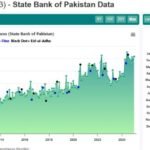
Are Pakistanis really eating less — or eating differently? Could it be possible that some of our earlier unhealthy dietary habits are changing and we should not be as alarmist as we are?
New long-run analysis of HIES data (2005–2025) shows that per-capita consumption of wheat has been on a gradual decline for two decades. This is not a sudden shock; it is a long-term trend. Many including Dr Miftah Ismail have looked at 2018-2025 time period. We at Gallup Pakistan Digital Analytics have compiled a more long term data since 2000.
At first glance, falling wheat consumption can look worrying. But part of this (and i stress only part of it) change reflects something more positive: a slow shift away from heavy dependence on a single staple toward a more diversified diet.
Over the same period:
Milk consumption has remained broadly stable, around 6–7 litres per person per month.
Chicken consumption has increased strongly compared to the mid-2000s, becoming the main source of affordable animal protein.
This suggests that at least part of the decline in wheat is explained by:
✔ substitution toward milk and protein
✔ urbanisation and lifestyle change
✔ less reliance on home-milled flour
So the story is not simply “less food”. It is also different food.
The takeaway:
Pakistan’s plate is changing slowly over time — partly because people are upgrading diets where they can, and partly because rising costs force trade-offs. Distinguishing between these two is essential for nutrition and food policy.
We need better and more informed discussion on these issues .