
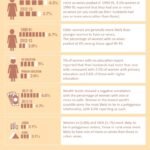
Polygyny is declining — but hasn’t disappeared.
January 26, 2026
Shaadi Season” Shapes Pakistan’s Birth Calendar?
Data sometimes reveals the most human stories.
From a dataset of over 15,000 respondents, births in Pakistan aren’t evenly spread through the year. August (10.6%) and December (10.4%) emerge as the most common birth months, while February to May remain relatively quiet — around 6–7% each.
What explains this pattern?
It’s the shaadi season effect — that familiar stretch of months when wedding halls fill up, heaters glow, and photographers thrive.
In Pakistan, disproportionately more weddings are held during the cooler months (roughly November to February) — after the monsoon, when weather is pleasant and festivities are easier to organize.
Nine months later comes the baby boom — August to October.
A smaller wave in December reflects conceptions around early spring.
The data is a gentle reminder: our cultural calendars quietly shape our demographic patterns.
Even wedding seasons leave their trace in hospital delivery wards, school admissions, and census sheets.