
Pakistan’s Airline Industry: A Graveyard of Dreams or a Sign of Resilience?
January 26, 2026
Energy conversations are everywhere — drawing rooms, factories, media, and policy circles.
For decades, we’ve lived with load shedding, industries have cried about expensive electricity, and economists have blamed high unit costs for our lack of export competitiveness.
Yet, despite all this noise —
🔹 We still don’t have clear, accessible data on how much electricity we consume,
🔹 At what price we pay at different times of the day, and
🔹 What exactly is broken in our electricity “market” — or whether a market even exists at all.
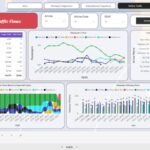
Below chart shows one interesting aspect : how electricity use and electricity costs change in a 24 hour cycle in an average September in the country.
🔹 Demand is highest late at night and peaks again in the evening (8–10 PM).
🔹 Prices, however, are lowest in the afternoon and highest during peak evening hours.
🔹 When demand rises in the evening, the system is forced to switch on the most expensive power plants (like furnace oil & diesel) — and that’s when electricity becomes the costliest: Rs 22–24 per kWh.
In simple terms:
🕛 Cheapest electricity = 10 AM to 4 PM
🌆 Most expensive = 6 PM to 11 PM
🏠 Yet most households consume the highest during the costliest hours.